Creating a Wire Frame Embroidery Review
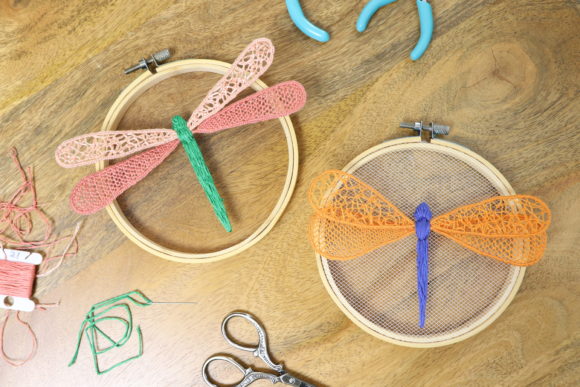
As an experienced embroidery designer, I've had the opportunity to review numerous machine embroidery designs for craft fair products. One that stands out is Creating a Wire Frame Embroidery, which blends embroidery, stumpwork, and needle lace techniques into a 3D art form. This design has the potential to elevate your handmade product line with its unique texture and dimensionality.
First Impressions: What Does It Say?
Creating a Wire Frame Embroidery feels elegant yet playful, with a modern twist that could appeal to a wide range of customers. The mention of wire frames suggests a bold, structural approach, making it suitable for both rustic and contemporary aesthetics. Its 3D nature adds a tactile element that can catch the eye in a crowded craft fair setting.
Design Performance on Various Products
The versatility of Creating a Wire Frame Embroidery makes it adaptable across multiple product types. Here's how it might perform:
- Tote Bags: The design works well as a focal point, especially when placed near the top or bottom of the bag. It adds visual interest without overwhelming the fabric.
- Apron Embroidery: As an accent, it complements the functionality of aprons while adding a decorative flair. The wire frame could be used to highlight pockets or straps.
- Tea Towel Embroidery: The 3D effect can create a striking contrast against soft, absorbent fabrics. It’s ideal for kitchen-themed markets or farmhouse-style displays.
- Embroidered Patches: Smaller versions of this design could work well as patches, provided the stitch density allows for clarity at reduced sizes.
- Pillow Covers: The raised elements can add depth and character to pillow covers, making them stand out on display tables.
- Market Bags: The design's structure can enhance the visual appeal of market bags, especially if paired with complementary thread colors.
- Handmade Gifts: From small pouches to custom caps, the design can serve as a unique detail that differentiates your products from competitors.
Practical Selling and Production Considerations
When evaluating Creating a Wire Frame Embroidery for commercial use, several practical factors come into play:
- Clarity at a Glance: The design is easy to understand visually, even from a distance, which is essential for attracting attention at a craft fair.
- Scale Flexibility: While it works well as a large focal design, smaller applications require careful consideration of stitch density and detail size.
- Photography Appeal: The 3D aspect photographs beautifully, making it ideal for Etsy listings and printable mockups. Ensure good lighting and angles to showcase its texture.
- Batch Production: With proper stabilizer use and consistent hoop size, the design can be repeated efficiently for batch production, ensuring uniformity across items.
Careful-Use Notes for Embroidery Designers
While Creating a Wire Frame Embroidery is visually appealing, there are some considerations to keep in mind:
- Dense Stitch Areas: Avoid using this design on thick or textured fabrics where the wire frame might not lie flat.
- Small Lettering: If the design includes text, ensure that it remains legible at smaller sizes.
- Dark Fabric: Use high-contrast thread colors to maintain visibility on dark backgrounds.
- Curved Surfaces: Test the design on curved cap surfaces to ensure it adheres properly and maintains shape.
Visual Appeal and Customer Engagement
Creating a Wire Frame Embroidery enhances the visual appeal of any product it adorns. Its 3D quality invites closer inspection, encouraging customer engagement. For handmade product lines, this design can convey a sense of premium quality and attention to detail, which can justify higher price points.
For Etsy sellers and small shop products, this design can help establish brand consistency by offering a signature look that customers come to recognize. It also strengthens booth display strength by creating a cohesive theme across all displayed items.
Embroidery Designer Tips for Implementation
To ensure the best results with Creating a Wire Frame Embroidery, follow these steps:
- Test on Scrap Fabric: Always test the design on scrap fabric before committing to a full run. This helps identify any issues with stitch density or fabric compatibility.
- Check Thread Contrast: Select thread colors that complement the base fabric and highlight the wire frame effectively.
- Review Spacing: Adjust spacing between elements to maintain clarity, especially when scaling down the design.
- Confirm Hoop Size: Use the correct hoop size to ensure the design stitches evenly and accurately.
- Inspect Stitch Density: Dense areas may require additional stabilizer to prevent puckering or distortion.
- Use the Right Stabilizer: Choose a stabilizer that matches the fabric type and design complexity.
- Create a Real Mockup: Before selling finished products, create a real mockup to see how the design looks on actual items.
- Compare Fabric Colors: Ensure that the design looks consistent across different fabric colors and textures.
- Confirm Commercial Licensing: Make sure you have the appropriate rights to sell finished products using this design, as license terms can vary.
In summary, Creating a Wire Frame Embroidery offers a unique blend of texture and dimensionality that can elevate your craft fair and handmade market products. By considering practical production tips and testing thoroughly, you can confidently incorporate this design into your product line and attract buyers looking for something special.