Stabilizers for Machine Embroidery
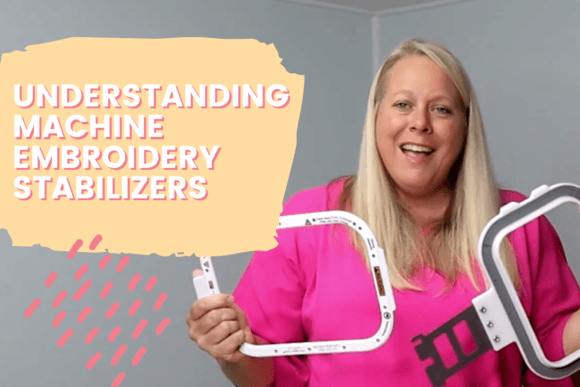
As an embroidery designer who has spent years creating personalized gifts and handmade products, I understand the importance of every detail in bringing a design to life. One such detail that can make or break your finished product is the use of stabilizers in machine embroidery. Understanding Machine Embroidery Stabilizers by Kelly is a class that dives deep into this essential topic, and it's one I've found incredibly useful when working on projects like baby blankets, wedding towels, and custom pillow covers.
The Emotional Appeal of Stabilizers in Embroidery
When you're crafting a meaningful gift, like a hand-embroidered family pillow or a personalized baby blanket, the emotional value of the piece is just as important as its visual appeal. Understanding Machine Embroidery Stabilizers offers more than just technical advice—it gives you the confidence to create pieces that feel soft, elegant, and full of character. The class walks you through different types of stabilizers and their uses, ensuring that your embroidered designs look professional and feel handmade.
Why Stabilizers Matter for Handmade Products
Whether you're making a delicate embroidered towel for a wedding gift or a textured blanket for a nursery, the right stabilizer can be the difference between a beautiful, lasting keepsake and a project that puckers or stretches over time. This class helps you understand how to choose the best stabilizer based on fabric type, design complexity, and intended use. For instance, using the right stabilizer on stretchy baby clothes ensures that the embroidery stays intact after multiple washes.
Using Understanding Machine Embroidery Stabilizers for Real Projects
Understanding Machine Embroidery Stabilizers is not just a theoretical guide—it's a practical tool that can be applied to a wide range of handmade items. From custom embroidery on tote bags and aprons to digital embroidery files used in Etsy listings, the knowledge gained from this class enhances the quality of your work and expands your creative possibilities.
Here are some specific ways this class can help:
- Baby embroidery: Ensuring that delicate designs on baby clothes or blankets stay secure and soft with the right stabilizer choice.
- Wedding gifts: Creating embroidered towels or pillow covers that look elegant and hold up under regular use.
- Nursery decor: Adding decorative elements to crib bumpers or wall hangings without compromising the fabric’s integrity.
- Personalized home decor: Making sure embroidered pillows, table runners, or wall art maintain their shape and detail over time.
Practical Concerns and Solutions
One of the biggest challenges in machine embroidery is dealing with small lettering, dense details, and dark fabrics. Understanding Machine Embroidery Stabilizers addresses these issues head-on by teaching you how to choose the right stabilizer for each situation. For example, using a tear-away stabilizer on a thick blanket ensures that the embroidery doesn't shift during stitching, while a water-soluble stabilizer works well for delicate shapes on sheer fabrics.
It's also important to test stitch-outs on similar fabric before finalizing a design. This allows you to see how the stabilizer interacts with the fabric texture and how thread colors will look once stitched. Taking the time to compare thread colors and check stitch density can prevent common mistakes and ensure your finished product looks polished and professional.
Building Customer Trust and Enhancing Gift Value
As an Etsy seller or small shop owner, the perceived quality of your handmade products plays a big role in customer trust and repeat business. When you use the right stabilizer, your embroidered designs look more professional, which can significantly increase their giftability and emotional value. A well-stabilized piece not only feels better in the hand but also photographs beautifully, making it easier to showcase your work online.
For instance, a personalized embroidered apron with clean lines and no puckering shows your attention to detail and commitment to quality. This kind of craftsmanship encourages buyer engagement and can set your handmade products apart in a competitive market.
Embroidery Tips for Creative Fabrica Users
If you're using Understanding Machine Embroidery Stabilizers as part of your workflow, here are a few tips to keep in mind:
- Create a test stitch-out on scrap fabric before starting your main project.
- Check small details after stitching to ensure they look crisp and defined.
- Compare thread colors on your chosen fabric to avoid unexpected results.
- Test on similar fabric to confirm that the stabilizer choice works well with your design.
- Review the hoop size and stitch density in your machine embroidery design to match the fabric and stabilizer.
- Always use the proper stabilizer to avoid shifting or stretching in the final finished product.
- Before selling any commercial embroidery products, review the product details and licensing information on Creative Fabrica.
By following these steps and applying the knowledge from Understanding Machine Embroidery Stabilizers, you'll be able to create high-quality, handmade gifts that customers will cherish for years to come. Whether you're making a custom gift box, a printable mockup for your Etsy listing, or a small shop product, the right stabilizer can make all the difference in the final result.