How to Begin Machine Embroidery
A First Look at the Design
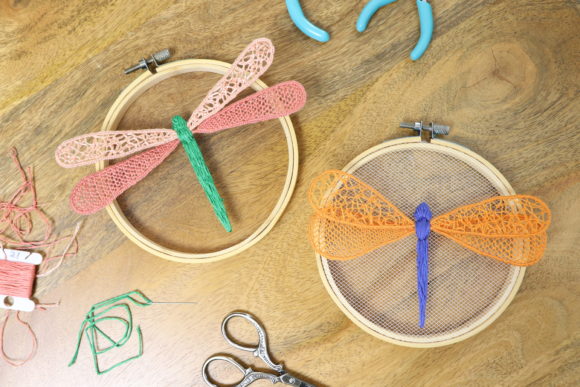
When I first saw How to Begin Machine Embroidery, it struck me as a design that balances simplicity with charm. The layout is clean, and the motif feels inviting—like a gentle nudge toward creativity. It has a soft, approachable vibe, which makes it ideal for beginners but still holds enough visual interest to appeal to more experienced crafters.
The shape of the design is rounded and fluid, suggesting movement and ease. It’s not overly detailed, which is great for those just starting out in machine embroidery. However, this also means it might not be the best fit for highly intricate projects. Instead, it shines in areas where a subtle, elegant touch is needed.
Real-World Application: A Custom Tote Bag Project
I recently used How to Begin Machine Embroidery on a custom tote bag for a small boutique. The fabric was a medium-weight cotton canvas, and the design sat beautifully on the surface. The stitch density was just right—not too dense that it felt stiff, but enough to give the design definition.
As I stitched it out, I noticed how well the satin stitch elements caught the light, adding a slight sheen that elevated the overall look. This made the tote feel more premium than a standard embroidered item. Customers who received the tote commented on how friendly and welcoming the design felt—it was perfect for a local artisan market.
However, I did have to adjust the placement slightly to avoid overlapping with the handles. This shows that while the design is versatile, it requires careful consideration of the final product's structure.
Where This Design Thrives
How to Begin Machine Embroidery works particularly well on items like tote bags, sweatshirts, pillow covers, and nursery decor. These are all projects where a soft, understated design can add personality without overpowering the item itself.
- Custom Apparel: Great for sweatshirts and t-shirts, especially when paired with complementary colors or patterns.
- Baby Items: Perfect for baby clothes or blankets, offering a gentle aesthetic that appeals to parents.
- Holiday Gifts: Can be adapted for holiday embroidery by changing color schemes or adding seasonal accents.
- Etsy Listings: Ideal for small shop products and craft business items that need an elegant yet approachable look.
It also looks good on embroidered patches and apron designs, where the design can be scaled up or down depending on the hoop size. Just be sure to check the hoop size requirements before stitching it onto a larger surface.
Areas to Use with Caution
While How to Begin Machine Embroidery is a solid choice for many projects, there are a few situations where it may not perform as well. For example, on thin fabric or stretchy materials, the design might lose some of its clarity unless a proper stabilizer is used.
Similarly, if you're working on curved surfaces like caps or hats, the design needs to be tested carefully to ensure it doesn’t distort. Dense stitch areas could also cause puckering on delicate fabrics, so testing on scrap fabric first is always a good idea.
Another thing to consider is thread color contrast. While the design is beautiful in its default colors, it might need adjustments to work well on dark fabric backgrounds. Always test the design in both light and dark mockups before committing to a final project.
Design Notes for Professional Use
If you're using How to Begin Machine Embroidery in a commercial setting or for digital embroidery files, here are a few practical tips:
- Test on Scrap Fabric: Always do a test run to see how the design behaves on your chosen fabric.
- Check Stitch Density: Ensure the stitch count is appropriate for the fabric type and intended use.
- Confirm Hoop Size: Make sure the design fits within your hoop dimensions to avoid distortion.
- Review Thread Colors: Adjust thread colors to match your brand or project theme.
- Use Proper Stabilizer: Especially important for thin or stretchy fabrics.
- Mockup in Black and White: Helps assess the design’s visibility on different backgrounds.
Also, if you plan to sell finished items or digital product previews, be sure to confirm the licensing terms for How to Begin Machine Embroidery to avoid any legal issues.
Final Thoughts
How to Begin Machine Embroidery is a versatile and charming design that can enhance a wide range of handmade and commercial projects. Whether you're creating personalized gifts, small shop merchandise, or craft fair products, this design offers a great balance of simplicity and style.
Its adaptability makes it a valuable addition to any embroidery project collection, but as with any design, it's important to consider the specific needs of your final product. With a bit of planning and attention to detail, How to Begin Machine Embroidery can help you create beautiful, professional-looking items that customers will love.